

Protect our local history
Don’t let them build 350 houses in this beautiful, historical site

Did you know?
Mortimer is on the ancient pilgrimage of St James’ Way!
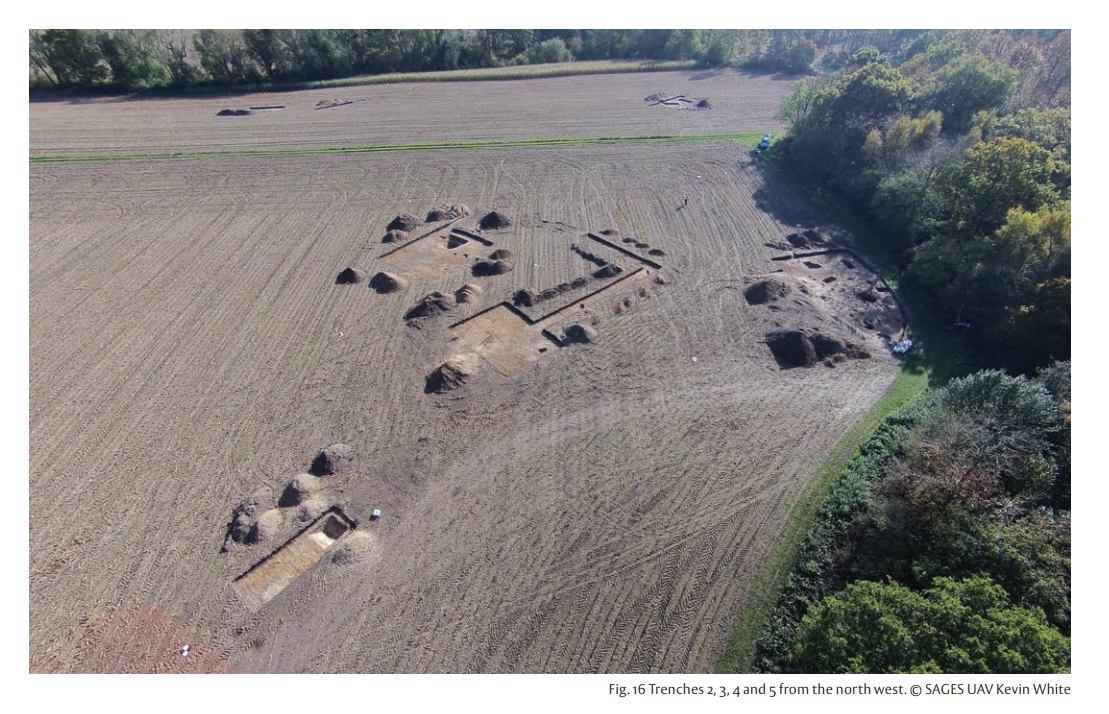
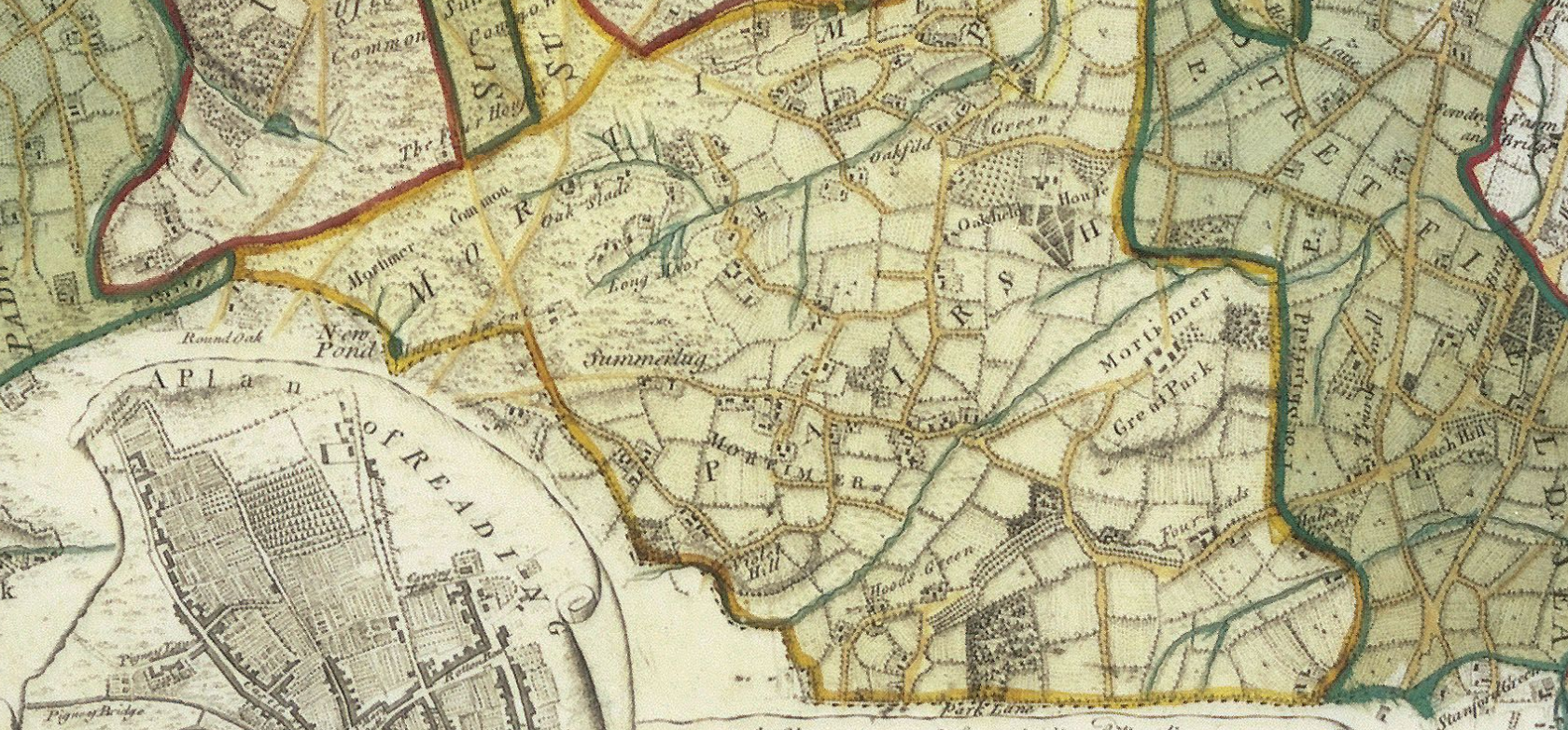
Mortimer has been inhabited since neolithic man - Iron Age buildings were excavated right here in West End Farm. Mortimer is a village of wonderful history, including roman settlers and pilgrims on the path of Santiago.
Basingstoke and Dean Borough Council are proposing to build 350 houses - spoiling our green space and destroying this wonderful ancient site.
Please join us in opposing this proposal.
Camino de Santiago
St James’ Way, or Camino de Santiago is among the oldest and most well-known pilgrimage routes globally. It leads to the city of Santiago de Compostela in the region of Galicia, northern Spain.
The Cathedral of Santiago is the resting place of St James (Sant Iago in Spanish), one of Jesus’s twelve disciples. It is said that St James’ body was transported to Galicia by two disciples in a boat led by angels.
Many pilgrims aim to reach Santiago de Compostela by the 25th July: St James Day. Santiago de Compostela celebrates St James Festival with music, dancing and fireworks.
If you fancy completing the Reading section of the Camino do Santiago, you can register at Reading Museum for your Pilgrim’s passport, which will be stamped in our local Mortimer Bistro!
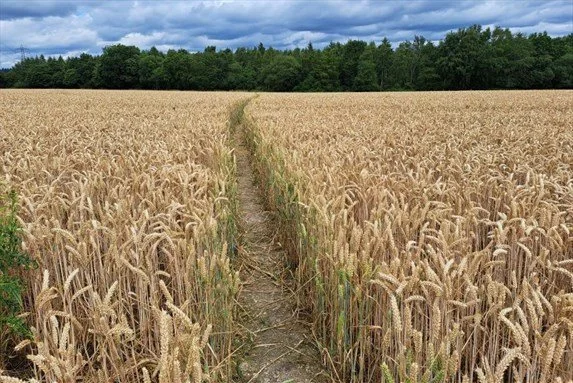
It will take you on a path down Simms Farm lane, which is alongside the field that is proposed for 350 houses to be built on, taking away from the peaceful nature of this sacred pilgrimage. If you are opposed to this, please write to your local council or MP and sign our petition.
Iron age Settlement
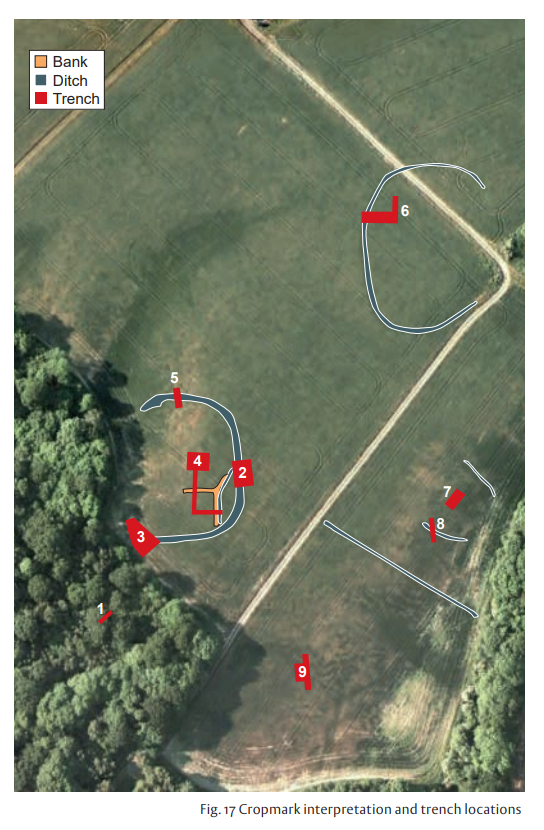
Reading University conducted an archeological study in an area known as Simms Copse within the West End Farm field that is currently being proposed for a building development of 350 houses.
The picture shows the crop marks that indicated what might lie beneath. The excavation work revealed that these were indeed iron age monuments!
The first analysis of the items found revealed they were pottery from a late prehistoric phase of use during the Mid-Late Iron Age. The items included saucepan-style vessels and the lack of grog-tempered wares indicated that the enclosures pre-date the 1st century BC.
There are other parts of the field that have not yet been excavated and the opportunity may be lost forever should building works go ahead on this land. Join us in opposing the proposal.
“When life seems hard, the courageous do not lie down and accept defeat; instead, they are all the more determined to struggle for a better future.”
— Elizabeth Royal